
What Is Sticker by Number? How It Works, Ages, and Cost
Sticker by number is an activity where a page shows numbered shapes and each number matches a colored sticker. You peel sticker 1, press it into every space marked 1, and repeat until the picture appears — no drawing, no paint, no mess.
It sounds like paint by number, and the idea is borrowed from it. But the tool in your child's hand is a sticker, not a brush, which changes who it works for and how much cleanup you do afterward.
Sticker by number vs the crafts it gets confused with
| Sticker by number | Paint by sticker | Paint by number | Online mosaic (QrdyCraft) | |
|---|---|---|---|---|
| What fills the shape | Numbered stickers | Numbered stickers | Paint + brush | Drag-and-drop pieces, or printed stickers |
| Mess level | None | None | High | None |
| Where you get it | Retail book, $8–$20 | Retail book, $8–$20 | Kit or printable | Made at home in ~2 minutes |
| Choose the picture? | No — fixed pages | No — fixed pages | Sometimes | Yes — any subject you type |
| Reusable | Usually not | Usually not | No | Yes — reprint or replay |
In practice, "sticker by number" and "paint by sticker" describe nearly the same activity. Paint by Sticker is a specific book series from Workman; sticker by number is the broader shelf term used by Publications International, Kane Miller, Penguin Random House and most store listings. If you want the detailed split, we broke it down in Paint by Sticker vs Paint by Number.
How sticker by number works, in 3 steps
- Look at the numbers on the page. Every blank space carries a number. On easier pages the spaces are large and few; on harder ones they are small, oddly shaped, and packed together.
- Find the matching sticker. The sticker sheet is grouped by number, so number 4 sits with the other number 4s. This is the part that teaches sorting and patience — it is most of the activity.
- Press it in and keep going. Each sticker covers one space exactly. The image stays meaningless until roughly the halfway mark, then arrives all at once. That reveal is the reason kids finish.
Here is what a page looks like before and after it is filled in. First the plain silhouette, then the same shape once every piece is placed.

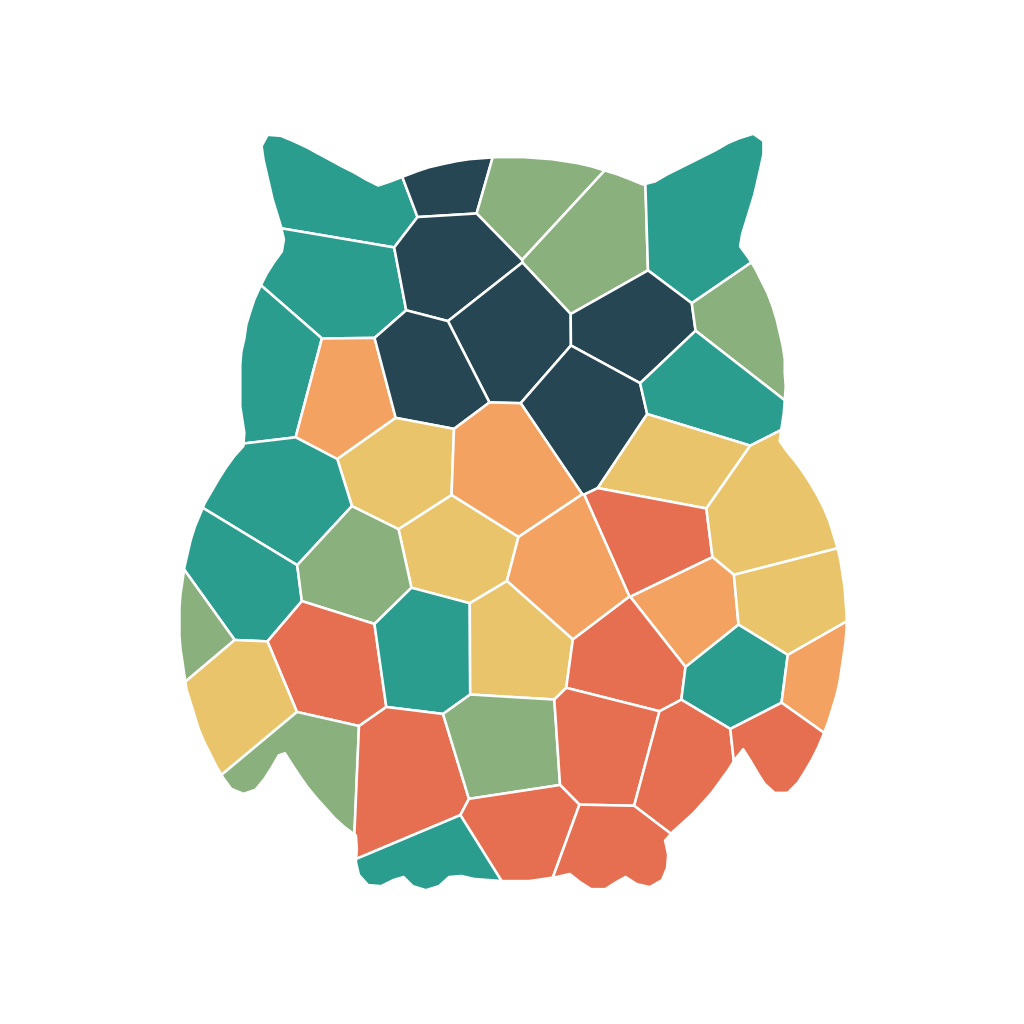
Before: a plain owl silhouette. After: the same owl at 44 pieces, medium difficulty, forest palette.
What age is it actually for?
The number on the box is usually optimistic. Watching real kids do it, the split lands roughly here:
- Ages 4–6 need big pieces and few of them. The easy snail below came out at 25 pieces, and that is about the ceiling before a preschooler starts asking you to finish it.
- Ages 7–9 are the sweet spot. Forty to sixty pieces holds attention for a full sitting without frustration — the owl above, at 44 pieces, is squarely in this range.
- Ages 10–12 want it hard. Ninety pieces and up, small shapes, a palette with six or more colors that have to be told apart.
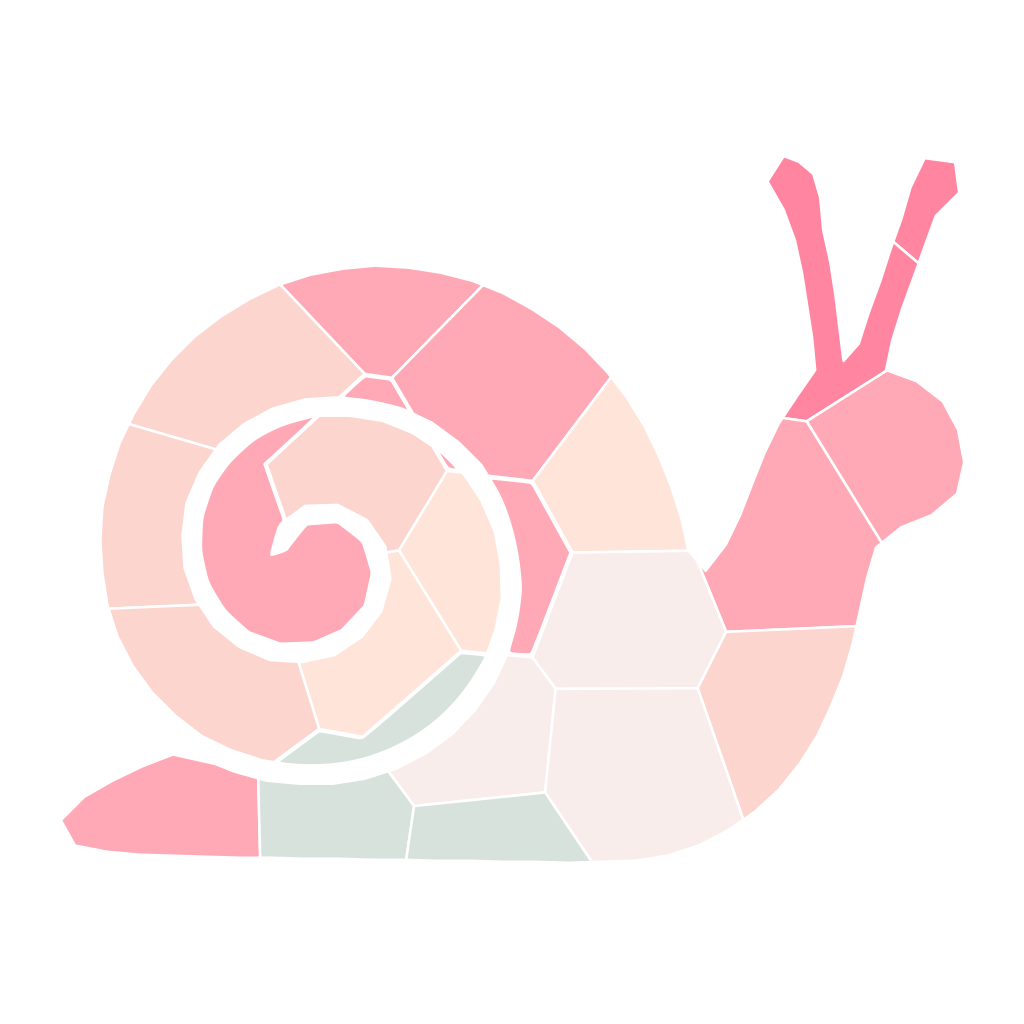
An easy template: 25 pieces, candy palette, sized for 4- to 6-year-olds.
The mismatch is what causes the meltdown. A 6-year-old handed a 120-piece page will quit at piece twenty, and you will read that as "she doesn't like crafts" when the real problem was piece count. Our fuller breakdown is in What Age Is Paint by Sticker For?.
What kids are actually practicing
It looks like busywork, and that is part of the appeal — but a few real skills sit underneath it. Matching a number on a sticker to a number on a page is symbol recognition, the same mechanism as early reading. Peeling a small sticker off a backing sheet and landing it inside a line is fine motor work that occupational therapists use on purpose. And because the picture only makes sense at the end, a child has to keep going through a stretch where nothing looks like anything, which is a small, low-stakes rep of finishing something.
None of that requires you to sit down with them, which is the honest reason most parents buy it.
Where the books are genuinely better
Store-bought sticker by number books do things a screen cannot. The stickers are physical, so there is real tactile work in peeling and placing. The artwork is professionally illustrated and often licensed, which matters enormously if your child only wants dinosaurs from one specific show. And a book needs no device, no login, and no battery — it works in a car, on a plane, in a waiting room.
What they cannot do is give your child a picture that isn't already printed in the book. Once the twelve pages are done, the book is done. At $8–$20 each, a child who burns through them fast gets expensive quickly.
Making your own instead
This is the gap QrdyCraft fills. You — the parent — type a subject, pick a difficulty, and get a mosaic template in about two minutes. Your child then plays it two ways: online, dragging colored pieces into place on any browser, or on paper, printing the numbered sheet and using a page of dot stickers from the craft aisle.
The part parents tend to actually use is the sharing. Every mosaic gets its own link and QR code, so a finished owl can go to grandparents by text, or a template can be sent to a classroom without printing a single page. That is the thing no sticker book and no paint-by-number generator does.
The free tier is 100 mosaics a month — more than one a day, which is far more than most families get through. Browse the ready-made templates like Owl and Snail if you would rather start from something finished than type your own.
Make your first mosaic free at craft.qrdyai.com →
Related reading
Frequently asked questions
What is the point of sticker by number?
The numbers turn a blank picture into a sorting puzzle: match the number on the sticker to the number on the page, and an image appears without any drawing skill. It gives kids the satisfaction of finishing artwork they could not have drawn themselves, and it keeps hands busy with no paint and no cleanup.
What age is sticker by number for?
Roughly ages 4 to 12, but piece count matters more than the age on the box. Ages 4-6 do best with about 25 pieces or fewer, ages 7-9 with 40-60, and ages 10-12 with 90 or more. A page that is too dense is the most common reason a child abandons one halfway through.
Is sticker by number good for your brain?
It exercises a few specific things: symbol matching, sustained attention, and fine motor control from peeling and placing small stickers. It is not a cognitive training program, and no one should buy it expecting measurable gains, but it is a calm, screen-optional activity that builds finishing habits.
What is the difference between sticker by number and paint by sticker?
Almost nothing. Paint by Sticker is a specific book series from Workman Publishing; sticker by number is the generic shelf term used by other publishers and by most retailers. Both give you numbered spaces and matching sticker sheets.
Are sticker by number books reusable?
Usually not. Most sticker sheets are one-use, so once a page is filled it is finished. Online mosaics work differently: the same template can be replayed or reprinted as many times as you want, which is why families with more than one child often end up there.
Can I make my own sticker by number page?
Yes. On QrdyCraft a parent types a subject, picks an easy, medium, or hard difficulty, and gets a mosaic template in about two minutes. Kids can play it online by dragging pieces into place, or you can print the numbered sheet and use dot stickers from a craft store. The free tier covers 100 mosaics a month.